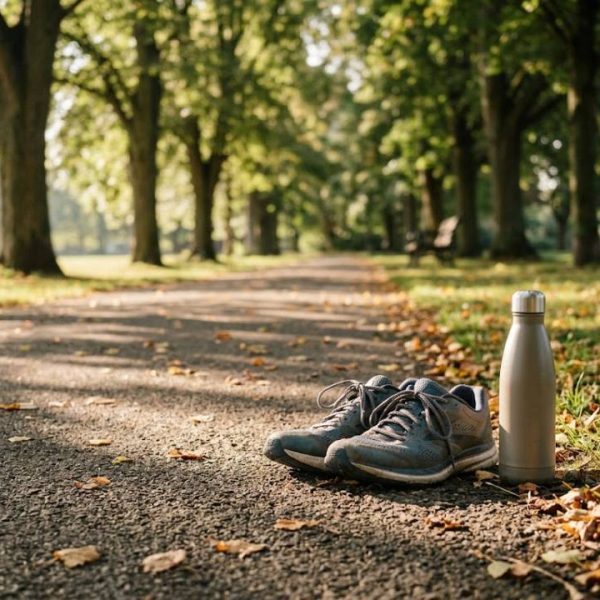
You do not need a gym membership to stay active. Everyday life offers plenty of chances to move, and small changes can make a big difference to energy, mood and strength. This guide shares simple, low cost ideas for building more movement into your day. It is general information only, so check with a professional if you have health concerns.
Walk More Than You Do Now
Walking is free, gentle and effective. Add a short walk after meals, get off the bus one stop early or take the long way home. Small additions quickly build into a healthy habit.
Take the Stairs
Choose stairs over lifts when you can. A few flights a day strengthen legs and raise your heart rate. It is a simple change that needs no equipment or planning.
Try Short Home Workouts
Ten minutes of squats, push ups against a wall, lunges and planks can be done in a living room. Choose moves you enjoy and increase repetitions slowly as you feel stronger.
Follow Official Activity Guidance
Health services such as the NHS publish simple guides on how much activity adults and children need and how to start safely. Their advice is clear and free.
Stretch Every Day
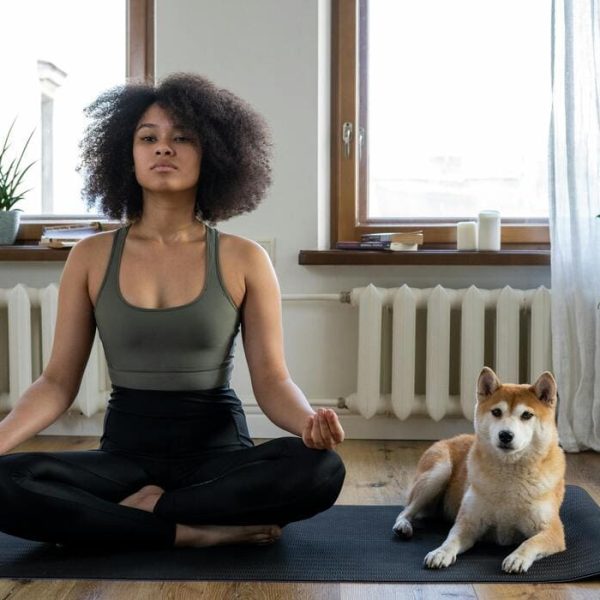
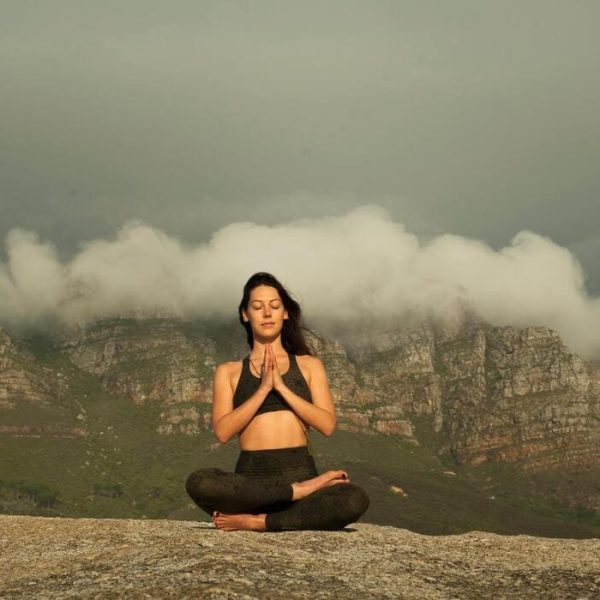
Gentle stretching eases tension from sitting and improves flexibility. Spend five minutes each morning or evening, move slowly and breathe evenly. Stop if anything hurts.
Dance in the Kitchen
Put on music you love and move. Dancing raises your pulse, lifts your mood and feels more like fun than exercise. Even one song counts.
Use Your Lunch Break
A twenty minute walk outdoors refreshes your mind and body. Invite a colleague so the habit feels social. You will return to work more alert.
Make Housework Count
Vacuuming, gardening, carrying shopping and washing the car all use muscles. Work at a brisk pace and treat chores as part of your daily movement.
Try Active Hobbies
Cycling, swimming, hiking and gardening combine enjoyment with exercise. Choose something that excites you, and you will keep doing it without forcing yourself.
Join a Free Local Group
Park runs, walking clubs and community classes bring friendly company and gentle encouragement. Many are free or low cost, and beginners are welcome.
Use Online Videos
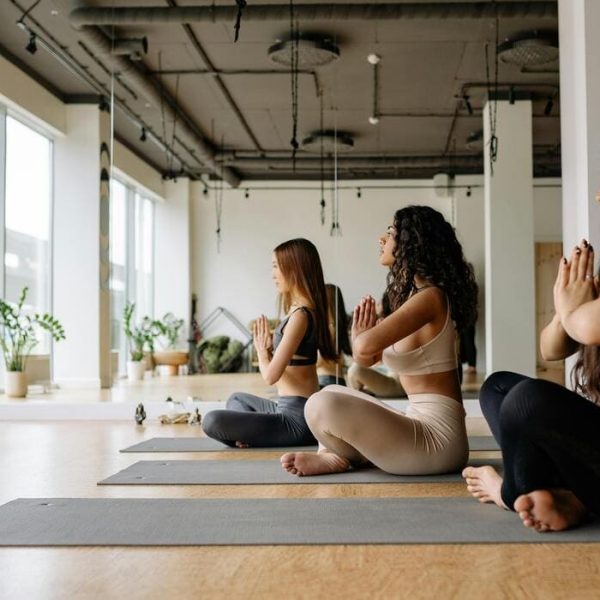
Free videos offer yoga, strength and cardio sessions for every level. Choose a short routine and follow along at home. Pause whenever you need a break.
Share Health Information Widely
Community health programs often welcome residents from many language groups. Materials prepared through english to japanese translation help Japanese speaking families understand safe activity advice clearly.
Understand Medical Papers Abroad
If you move countries, records and clinic notes may need review. Reading about medical document translation helps you prepare papers so new health providers can understand your history.
Set Small Goals
Aim for something realistic, such as a ten minute walk three times a week. When that feels easy, add a little more. Success builds confidence.
Track Your Steps
A simple counter on your phone or a notebook shows how much you move. Seeing progress is motivating. Aim to improve gradually, not to be perfect.
Move During Screen Time
Stand up and stretch during calls, walk while you listen to a podcast or do gentle exercises during a television show. Little breaks add up across a day.
Strengthen With Everyday Items
Water bottles, backpacks and sturdy chairs can serve as weights and supports. Slow, controlled movements build strength without a membership.
Protect Your Joints
Warm up gently, wear supportive shoes and avoid sudden increases in effort. If you feel pain, rest and speak with a health professional.
Balance Rest and Effort
Recovery is part of fitness. Sleep well, drink water and take rest days when needed. A rested body performs better and stays healthier.
Exercise With Friends or Family
Shared activity is more fun and keeps you accountable. Plan a weekend hike, a game in the park or a family bike ride.
Adapt to the Weather
Have a plan for rainy days, such as indoor exercises or mall walking. Dress in layers outdoors. Flexibility keeps you moving all year.
Listen to Your Body
Notice energy levels, soreness and mood. Adjust activities to suit how you feel. Gentle movement is always better than none.
Stay Hydrated
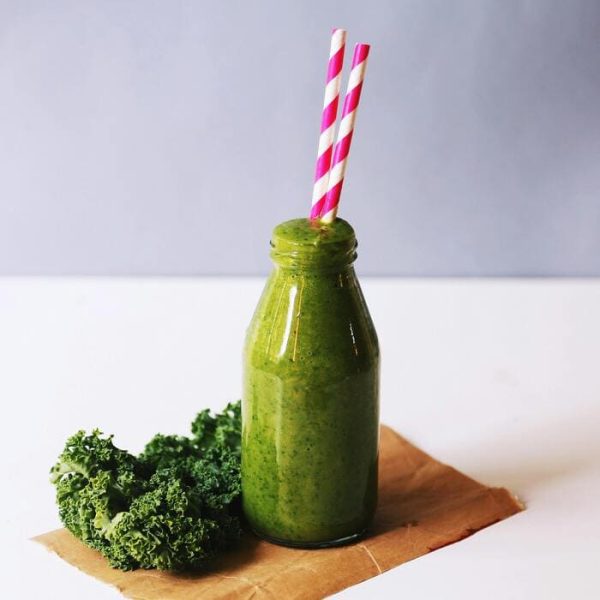
Drink water before, during and after activity. Carry a bottle and sip regularly. Proper hydration helps energy and concentration.
Be Kind to Yourself
Missed days happen. Return to your routine without guilt. Long term consistency matters more than any single day.
Celebrate Progress
Notice how you feel stronger, calmer or more energetic. Mark milestones with a small reward. Positive feelings keep you going.
Final Thoughts
Staying active is about steady habits, not expensive equipment. Walk more, stretch, play and enjoy the movement you choose. Over time, those small choices add up to a stronger, happier you.